ServicesHome Selling
Home Selling in Farmington, CA
We help you sell a house in Farmington with a clear record of every step. We photograph the condition we find, explain what each finding means for price and disclosures, and show you what was done about it, from the first walk-through to the day escrow closes.
How we handle a sale
Selling a house is a chain of decisions: what to fix, what to disclose, what price the condition supports and which offer to accept. Most sellers make those calls with very little information. We start by recording the condition of the property before anything else happens.
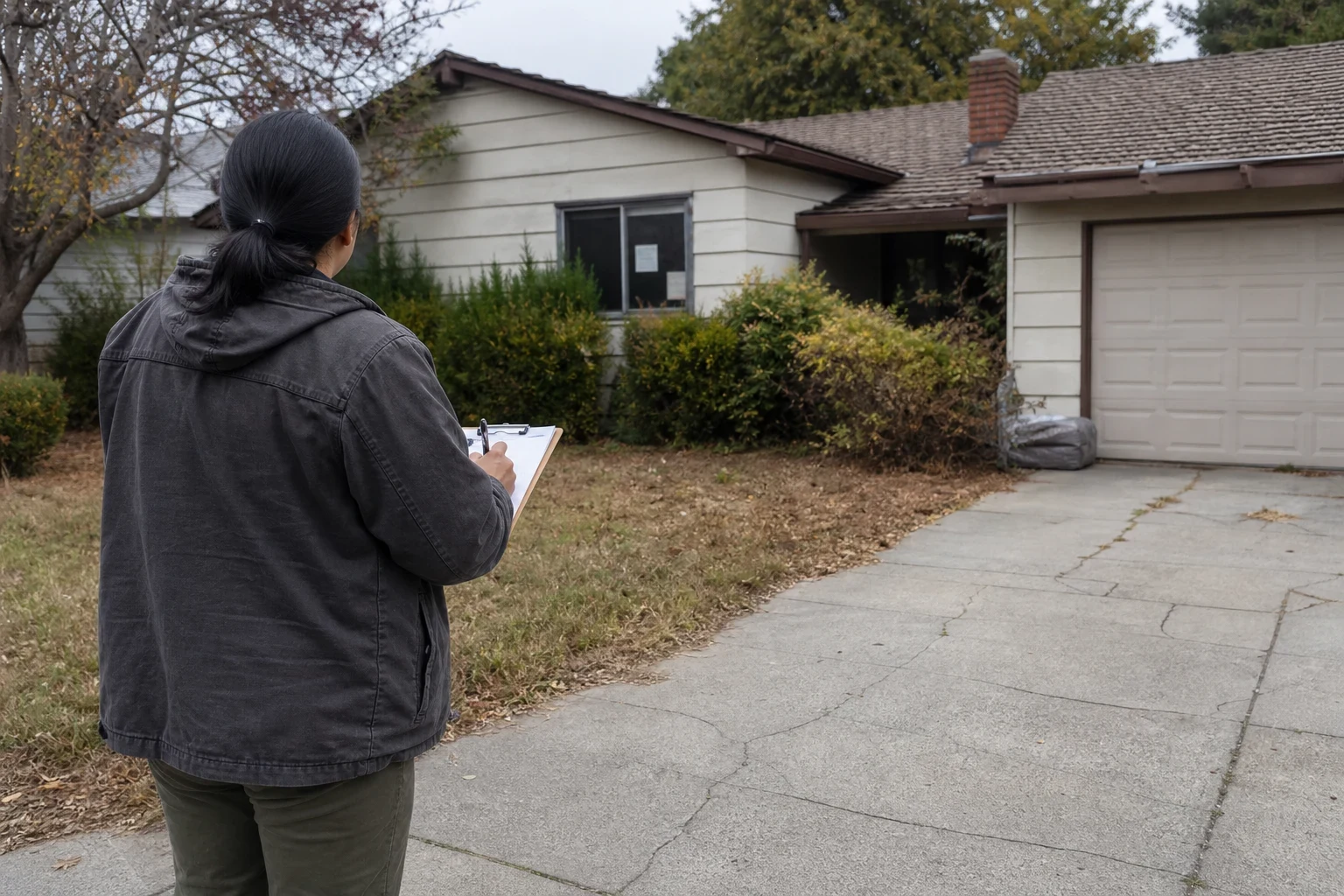
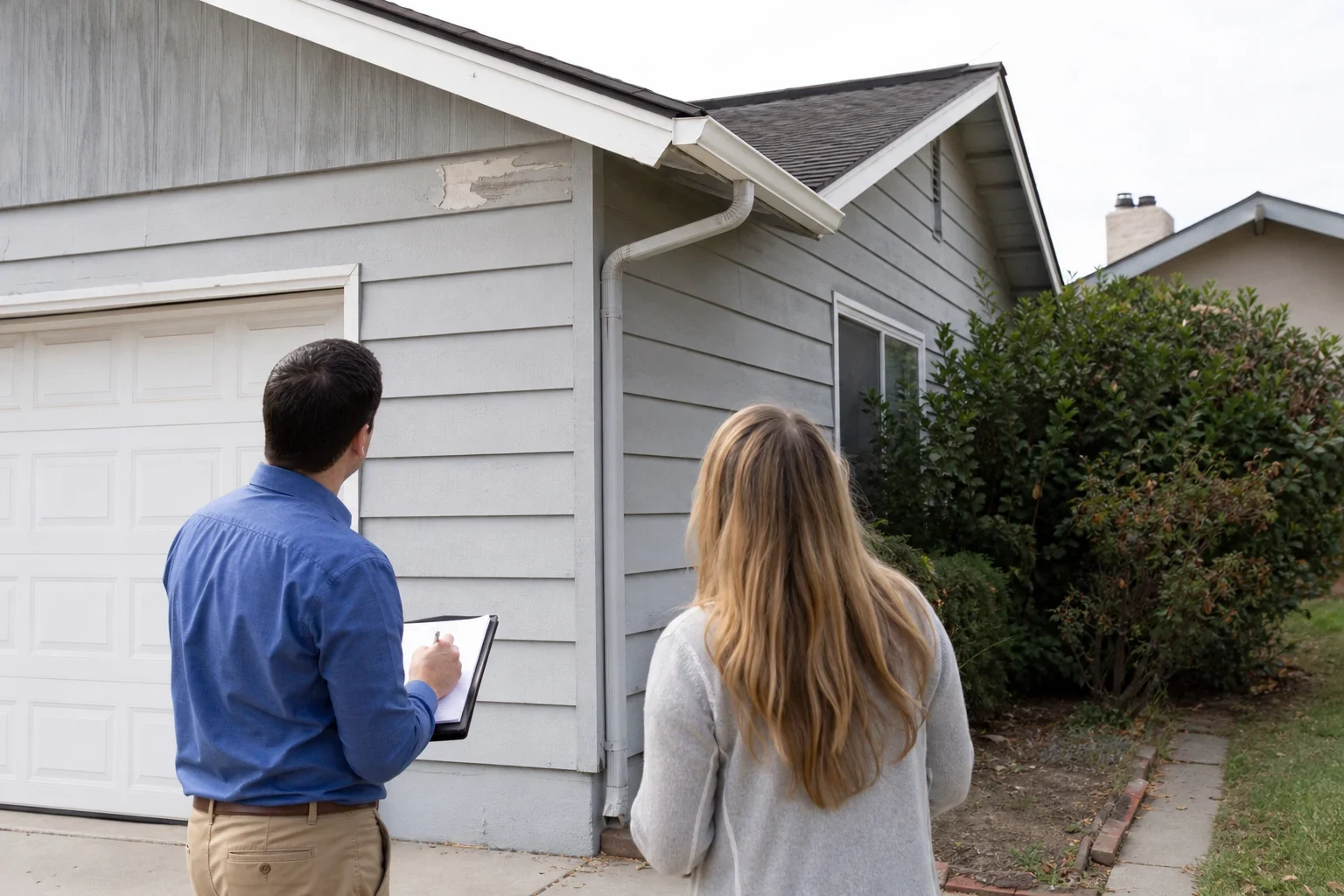
On the walk-through, in person or over a video call, we photograph the roof edges and flashing, the electrical panel, the water heater and its seismic strapping, the plumbing under each sink, and any staining on ceilings or drywall. Each image goes into a dated condition file that you keep. When we recommend a repair, or recommend skipping one, the file shows the reason.
This page covers a straightforward sale of a house you own. If the property came to you through an estate, see Inherited & Probate Houses. If the sale is part of a separation, see Divorce Home Sales.
What the service includes
- A dated condition file
- Pictures of each major system with a short note on what we saw and why it matters. You get the full set, so you are never relying on our memory of the house.
- A repair-or-skip answer for each finding
- For every item, we tell you whether fixing it is likely to return more than it costs, or whether it is better disclosed and priced in. Some items, like water heater bracing and working smoke and carbon monoxide alarms, are required at sale in California, so we flag those first.
- Pricing built on comparable sales
- We pull recent closed sales of houses with similar size, age and lot, then adjust for the condition recorded in the file. You see which comparables we used and how each one was weighed.
- Disclosure preparation
- California sellers complete forms such as the Transfer Disclosure Statement and Seller Property Questionnaire. We help you match what you write to what the condition file shows, so known issues are not left off by accident. For legal questions, we point you to an attorney.
- Inspection response and escrow tracking
- When the buyer's inspection report arrives, we compare it with the condition file and separate real defects from cosmetic notes. Then we track the inspection, appraisal and loan contingency dates and keep you updated by phone until closing.
Signs it is time to plan the sale
You do not know what to fix first
A sagging gutter, a dated kitchen and a slow drain all compete for your money. A list built from the condition file puts them in order of what buyers and lenders actually care about.
Old work has no paper trail
A replaced water heater or re-roof with no permit on file can raise questions in escrow. Recording it now lets you disclose it clearly instead of having it surface mid-deal.
Items an inspector will flag
Ungrounded two-prong outlets, cracked clay sewer lines with root intrusion, and worn composition shingles show up in most inspection reports. Knowing about them early keeps them from becoming surprise repair requests.
A past sale fell apart
If a buyer walked after inspection, the problem is usually information that came too late. Recording the condition up front changes when buyers learn about it.
You have a date to work toward
A job start or the purchase of your next place sets a deadline. We plan backward from it so the escrow timeline fits. If you are buying too, see Home Buying Help.
How a sale runs, step by step
- 1
A first phone conversation
We ask about the age of the house, past repairs, known issues and your timeline. You hear how we would approach the sale before anyone visits.
- 2
Walk-through and condition file
We go room by room, in person or by video, and take pictures of each system. You receive the dated file with notes.
- 3
Price and preparation plan
We lay out the comparable sales, the repairs worth doing, the items to disclose and a suggested price. You decide what to do; we add before-and-after pictures of any work once it is finished.
- 4
Offers and contingencies
We review each offer line by line, including contingency periods and requested credits. Once you accept, we answer inspection requests using the condition file and track every deadline.
- 5
Final walk-through and closing
We photograph the house at handover so the condition at closing is on record. Then escrow records the sale and the keys change hands.
What affects your cost to sell
Selling costs come from a few sources: our commission, escrow and title charges, any repairs you choose and whatever the purchase contract assigns to the seller. We go over each one by phone before you sign anything. The condition file helps you decide which repairs are worth paying for and which are better disclosed.
- Commission terms
- Our commission is set in writing in the agreement before work starts. We explain exactly what it covers.
- Pest report clearance
- A wood-destroying pest report sorts findings into active problems, such as termite damage or dry rot, and conditions likely to cause them later. Lenders often want the active items cleared before closing, which can add repair cost.
- Escrow, title and transfer tax
- Title insurance, escrow fees and the county transfer tax are split according to the contract and local custom. We show you which lines fall to you.
- Credits after inspection
- Buyers may ask for repairs or a credit after their inspection. Photos taken before the sale often narrow those requests to real defects.
- Time on the market
- Every month the house stays unsold, you keep paying the mortgage, utilities and insurance. Pricing to the documented condition usually shortens that stretch.
Questions about selling
Something not covered here? (209) 396-8656
Do I have to fix everything before I sell?
No. Many items are better disclosed and reflected in the price than repaired. A few things are required at sale in California, such as strapped water heaters and working smoke and carbon monoxide alarms. We tell you which is which, item by item.
Why do you photograph so much of the house?
Pictures settle questions that memory cannot. They back up your disclosures, show buyers the condition before they make an offer, and give us something concrete to point to when an inspection report comes back. The file is yours to keep.
Which forms will I fill out as the seller?
In California, a seller is expected to tell the buyer about anything they know that affects the value or desirability of the property. That usually happens on the Transfer Disclosure Statement, the Seller Property Questionnaire and a Natural Hazard Disclosure report prepared by a third-party company. We go through each form with you and check your answers against the condition file. Legal questions belong with a real estate attorney.
What happens if the buyer's inspector finds something we missed?
We look at the finding, check it against the condition file and give you options: repair it, offer a credit or decline the request. Because most of the house is already on record, these conversations tend to stay focused on one or two items.
Do we need to meet in person?
Not necessarily. We work from our office and by phone and video. The walk-through can be done on a video call if you are out of the area, and documents are reviewed with you over the phone.
Start with a clear picture of the house
One phone conversation tells us enough to explain how we would record, price and prepare the sale. From there, you decide how to proceed.